
How to Send Money to Mexico: Options, Fees and Speed
Compare remittance options to Mexico, what ID and recipient details you need, and how fees and delivery speed differ by bank, card or cash pickup.
Daniel R. Whitaker 7 min read
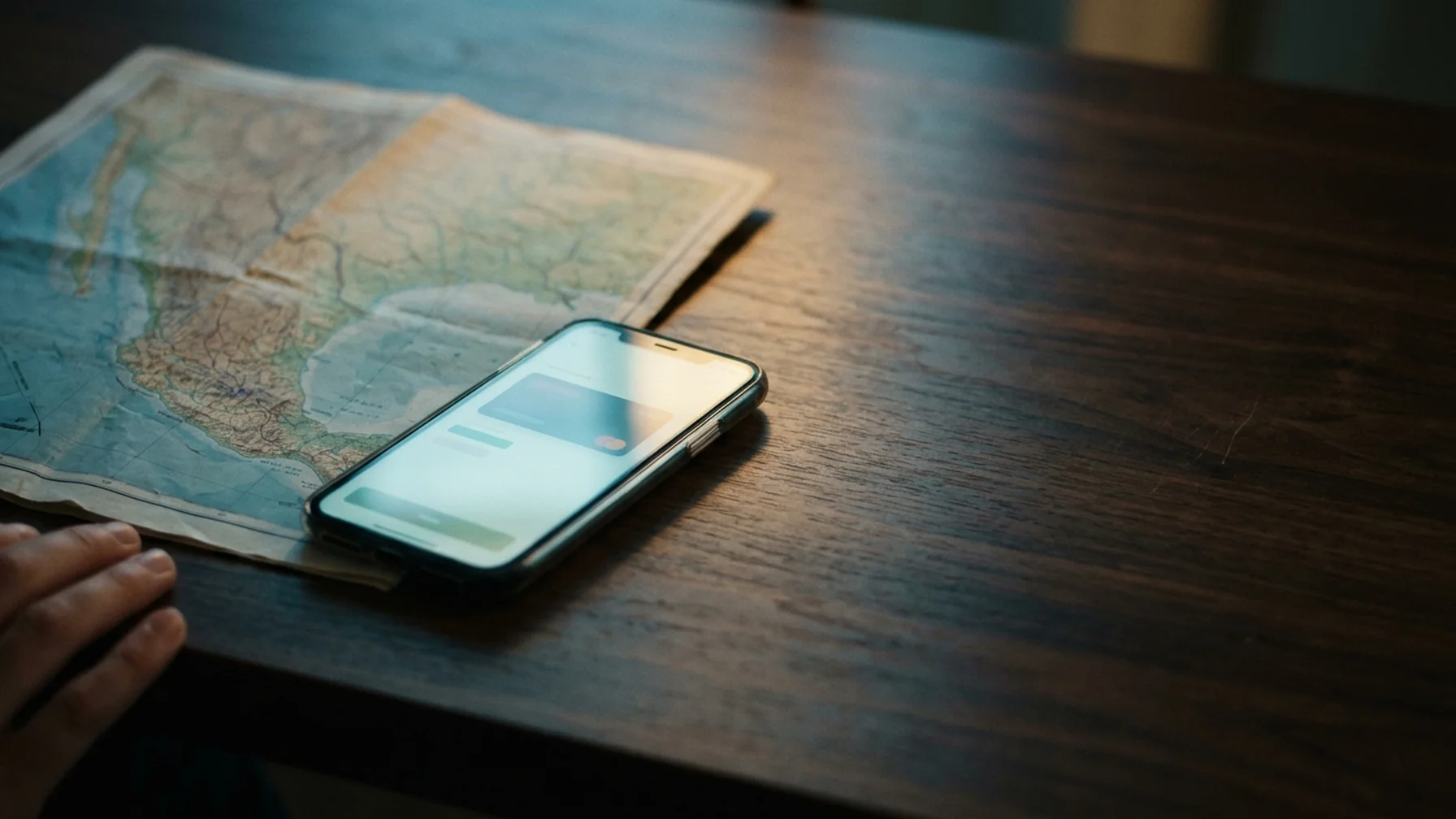
Before you start, sort out three things: a valid government ID, the recipient's full legal name and the delivery method you want (bank account, debit card, cash pickup or mobile wallet). That is the document set most providers ask for. Knowing how to send money to Mexico also means knowing which option reaches your family fastest and what it costs on both sides of the border.
A quick comparison before you commit can save more than a coupon code. Rates and fees change often, so the numbers below are patterns, not quotes.
What you need before you send
Most transfers fail or get delayed over mismatched names or missing ID. Get these ready before you open an app or walk into an agent location:
- Your ID: a driver's license or US passport. Some providers ask for a second form when you send larger amounts.
- Recipient details: name exactly as it appears on their official ID. A middle name missing or a nickname in the field can stall a payout.
- Delivery target: a CLABE number and bank name for account deposits, a debit card number for card delivery, or a location and recipient phone for cash pickup.
- Purpose of transfer: US providers must collect this under Bank Secrecy Act rules. "Family support" is the usual answer for personal transfers.
If you send often, save the recipient once. Repeated transfers then take one confirmation instead of retyping names and account numbers. A saved recipient also cuts typos, which are behind many failed deposits.
Step-by-step: how to send money to Mexico
- Pick your channel. Options include bank wires, money transfer operators (a remittance app or an agent counter such as those run by Western Union or MoneyGram), online banks, and crypto-to-peso services. Each reaches the recipient differently.
- Set up the account or visit an agent. Online providers verify your identity once; after that, transfers are usually a few taps. At an agent, bring your ID and cash or a debit card.
- Enter the recipient's details carefully. For a bank deposit, paste the 18-digit CLABE and confirm it with the recipient. For cash pickup, confirm the pickup state, city and the exact name the recipient will show.
- Review the amount and the total you pay. The screen should show a fee and an exchange rate separately. Check how many pesos the recipient actually gets before you confirm.
- Pay and keep the receipt. Save the tracking number. It is what a customer service agent needs if the transfer needs tracing.
- Tell the recipient to watch for it. They may need to show ID at pickup or confirm a bank credit. Ask them to check the amount against what you saw quoted.
Which channels work and what they cost
Speed and price move together. Cash pickup and wallet delivery are often minutes; bank deposits are often same-day but can land the next business day; wires can take one to two business days. Treat those as typical patterns, not guarantees.
| Channel | What the recipient needs | Typical speed | Where cost hides |
|---|---|---|---|
| Money transfer app or agent | ID plus bank, card, or pickup location | Minutes to a few hours | Flat fee plus a margin in the exchange rate |
| Bank wire | Mexican bank account and CLABE | One to two business days | Wire fee, currency conversion spread, possible intermediary bank charge |
| Online bank transfer | Mexican account | Often one to three business days | Exchange rate markup, sometimes a small fee |
| Crypto transfer | A wallet, then a peso off-ramp | Varies with network and exchange processing | Network fee, exchange spread, off-ramp fee |
For small, frequent transfers, a flat fee matters more than the rate. For larger amounts, the exchange-rate margin costs more than the fee — a few cents per dollar adds up across $1,000. Price both before you decide.
A worked example (illustrative numbers only)
You send $500. Provider A charges a $5 fee and converts at a rate that leaves the recipient with 1,700 pesos per $100. Provider B charges $0 and pays 1,720 pesos per $100. A: ($500 − $5) × 17.00 = 8,415 pesos. B: $500 × 17.20 = 8,600 pesos. The "free" option pays 185 pesos more. Always compare pesos received, not the headline fee.
Answering "how can I send money to Mexico?"
The shortest answer: choose a transfer method, verify your identity, enter the recipient's bank or pickup details, pay, and keep the tracking number. The choice matters most. Use a money transfer app or agent when the recipient has no bank account or needs cash today. Use a bank or online transfer when the recipient has a Mexican account and you can wait a day. Crypto suits people who already hold it and can absorb exchange and network fees.
Cash pickup is the right call in rural areas or where banking access is thin. Bank deposit is better for larger amounts and repeat transfers, because the recipient avoids pickup fees. If you send money monthly to family, keep one channel and one saved recipient — switching each time adds mistakes and cost. A personal account that combines a wallet with exchange can simplify that flow when you already use crypto; otherwise a standard app or bank is enough.
What drives fees, rates and limits
Every quoted price has several moving parts. Once you know them, comparing providers takes minutes instead of guesswork.
Exchange rate margin
Providers buy pesos at a wholesale rate and sell them to you at a markup. That margin is often the largest hidden cost. The wholesale rate moves daily, so compare quotes the same day.
Flat fees
Common on cash pickup and small transfers. A $4.99 fee on $50 is 10 percent of the transfer.
Transfer size
Larger amounts usually get better rates but trigger extra verification. Providers can vary limits by account history and recipient.
Delivery method and regulation
Card and cash pickup can carry a small extra charge at some providers; bank deposits are often the cheapest delivery. US customers should expect identity checks under the Bank Secrecy Act, and providers may ask for source of funds on larger transfers. In Mexico, banks apply anti-money-laundering checks on incoming funds. Thresholds and rules change; verify current requirements with FinCEN and Mexico's CNBV on their official sites.
Mistakes that delay or reroute a transfer
Most errors are small and fixable before you hit send. These six account for the majority of delays:
- Wrong CLABE digit. One wrong digit can send money to someone else or fail. Read it back to the recipient.
- Name mismatch. The recipient's name must match their ID and bank account. Cash pickup is especially strict.
- Ignoring the rate. Comparing fees only hides the margin that costs more on large transfers.
- Wrong pickup location. Asking for a different agent branch than the one you selected can add delays.
- Not checking limits. A transfer that exceeds your provider limit sits in review instead of moving.
- Promising instant delivery. First-time transfers or new recipients can be held for review.
Quick checklist before you confirm
Run through this in the last minute before you pay:
- Recipient's full legal name matches their ID.
- CLABE or card number read back and checked.
- Pickup city and agent location correct, if using cash.
- Fee and exchange rate shown separately.
- Pesos the recipient will receive compared with one other provider.
- Payout date realistic for the method chosen.
- Receipt and tracking number saved.
- Recipient told to expect the transfer and show ID.
Do all eight and most Mexico transfers go through on the first attempt. The biggest savings come from comparing pesos received, not just the fee, and from keeping one verified recipient on file. This is general information, not financial, legal or tax advice.